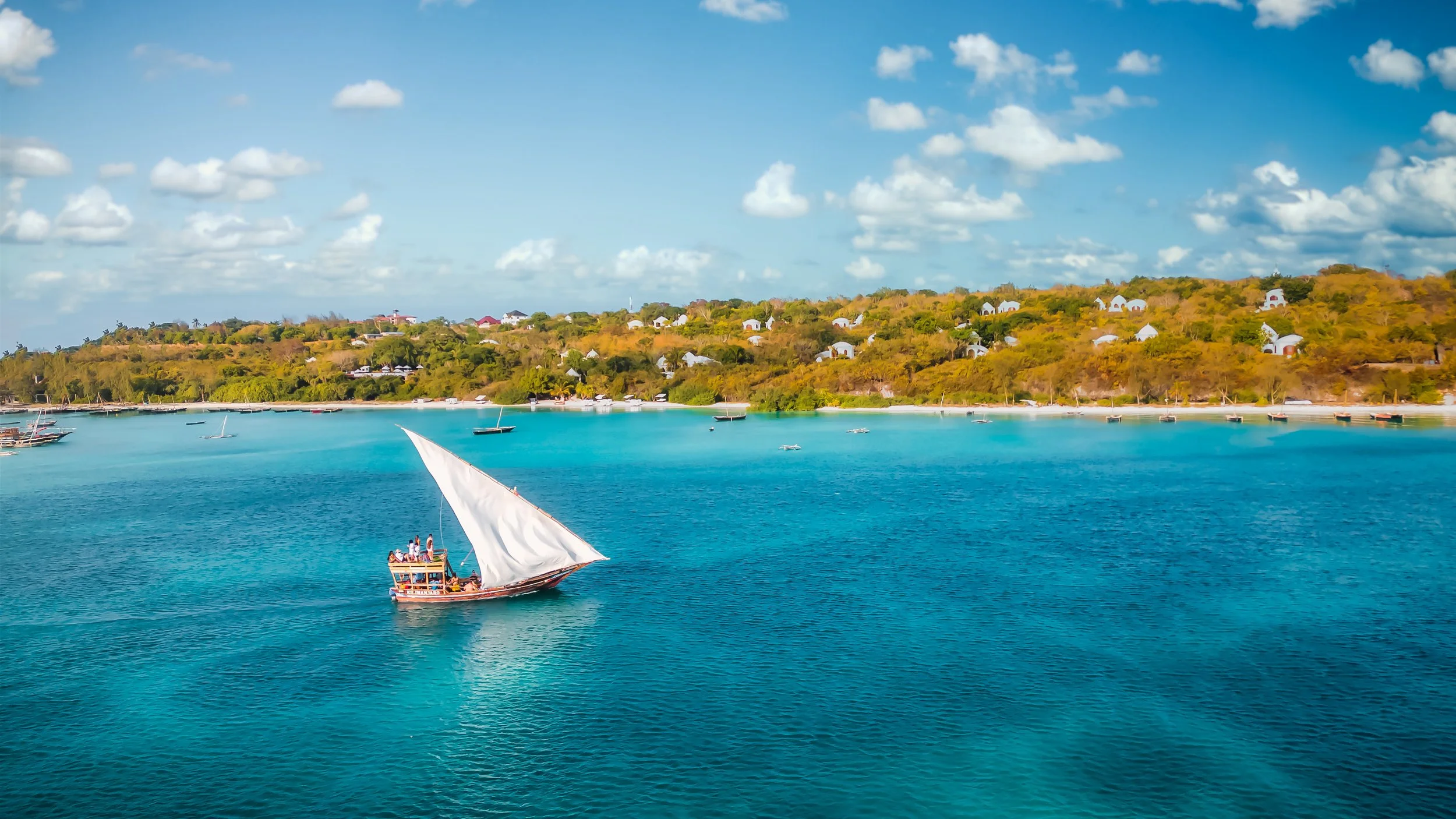
Tanzania at a glance!
Tanzania is East Africa's safari heartland—a country where the wildlife spectacle is matched by the scale of the landscape. It holds Africa's highest mountain, its largest intact volcanic caldera, and the stage for the Great Migration across the Serengeti plains. Beyond the northern circuit, the country opens into remote southern parks, chimpanzee forests on Lake Tanganyika, and the Swahili coast of Zanzibar.
For many travelers, Tanzania is the definitive safari destination: dense with wildlife, varied in geography, and served by a mature ecosystem of guides and camps.
Why Visit
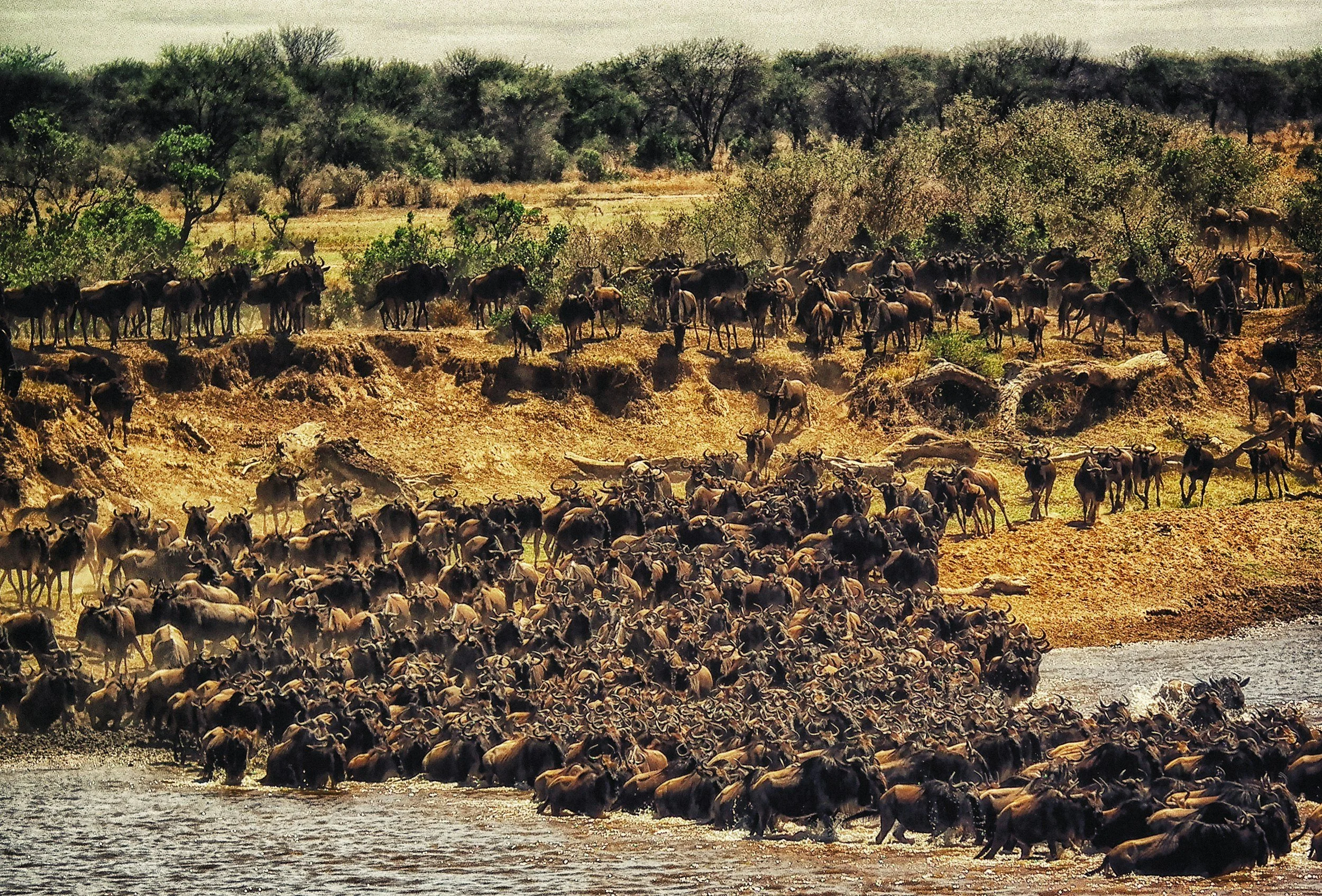
The Great Migration. Over a million wildebeest and hundreds of thousands of zebra and gazelle move through the Serengeti ecosystem each year, driven by rainfall and fresh grass. The dramatic Mara River crossings in the north (July–October) and the calving season in the southern plains (January–March) are the two headline moments .
Ngorongoro Crater. The world's largest intact volcanic caldera, roughly 600 metres deep and 265 square kilometres in area, holds an estimated 20,000–30,000 large animals within its walls—one of the most reliable places in Africa to see black rhino alongside lion, elephant, and buffalo .
Kilimanjaro. At 5,895 metres, Africa's highest peak is a trekking challenge rather than a technical climb. The Machame and Lemosho routes are the most popular scenic camping options; longer routes have significantly better summit success rates .
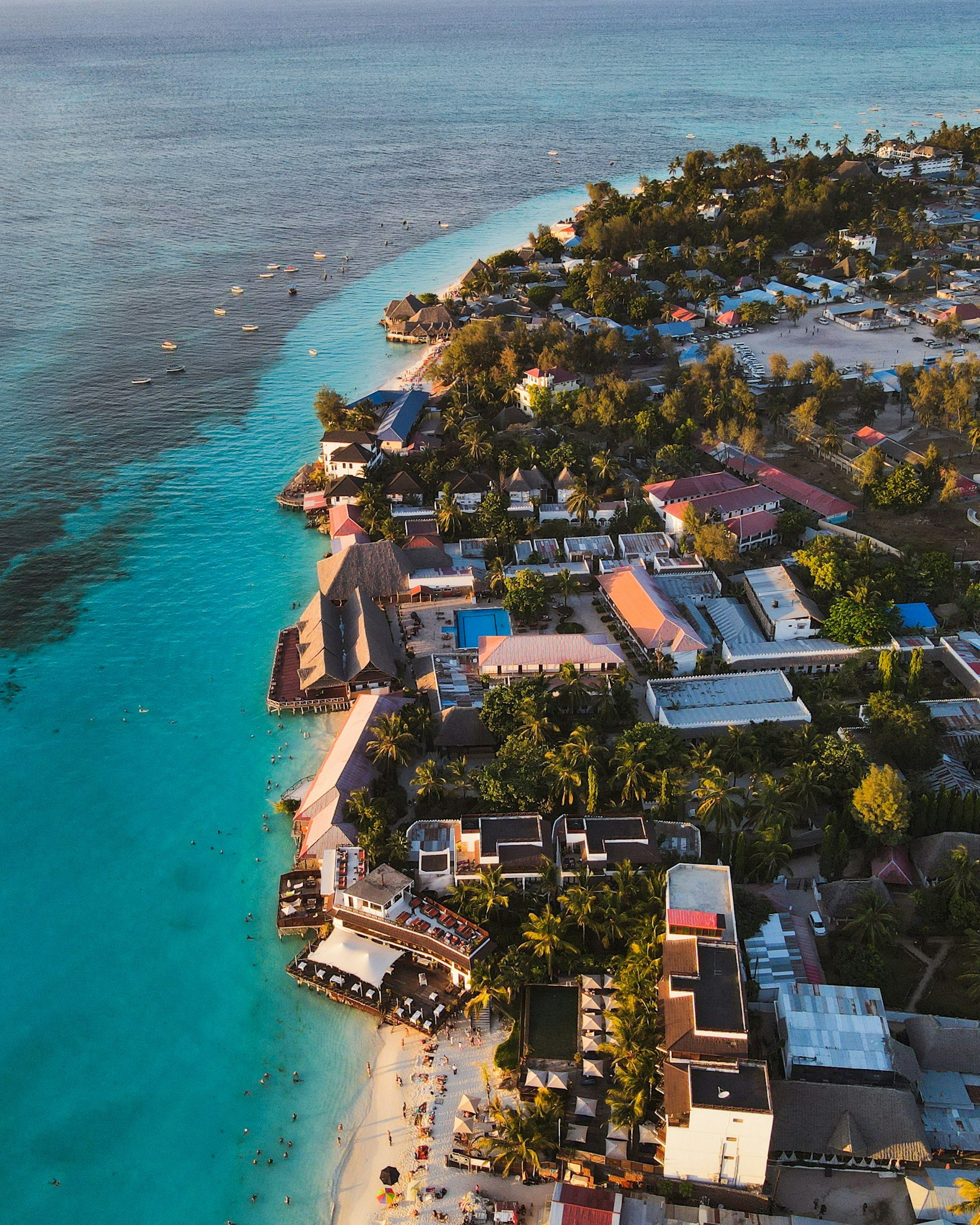
Zanzibar and the coast. Stone Town's UNESCO-listed alleys, spice farms, and the beaches of Nungwi, Paje, and Matemwe provide a natural counterpoint to safari. The island is a short flight or ferry from Dar es Salaam .
Remote wilderness. The southern parks (Ruaha, Nyerere) and western Mahale Mountains offer quieter, more adventurous safari experiences far from the northern crowds—including chimpanzee trekking in Mahale's forests.
Where to go?
Not every Kenyan safari needs to follow the same route. The Maasai Mara and Laikipia offer quite different wildlife experiences, while Amboseli and Tsavo can make a natural southern circuit. You can also combine a safari with time on the Kenyan coast for a change of pace.
The best combination depends on how much time you have, your interests and how you'd prefer to travel.
Northern Circuit. The classic safari route: Tarangire (elephants and baobabs), Lake Manyara, the Ngorongoro Crater, and the Serengeti. This is where most first-time visitors focus, and where the migration is most accessible .
Serengeti National Park. A vast ecosystem with distinct regions: the southern plains (calving, January–March), the central Seronera (resident big cats year-round), the Western Corridor (Grumeti River crossings, June–July), and the northern Mara River area (river crossings, July–October) .
Southern Parks. Ruaha and Nyerere (formerly Selous) offer a wilder, lower-density safari experience. Ruaha is known for large lion populations and a wide variety of antelope species .
Western Tanzania. Mahale Mountains and Gombe Stream on Lake Tanganyika are the places to track habituated chimpanzees. Access is by small aircraft and is best suited to travelers with time and a sense of adventure .
Zanzibar and the coast. Stone Town for history and food, the northern beaches (Nungwi, Kendwa) for swimming at any tide, and the east coast (Paje, Jambiani) for kitesurfing and quieter stretches
When To Visit
June–October: dry season, prime wildlife viewing. Sparse vegetation and concentrated water sources make animals easier to find. July–September is peak season for the northern Serengeti migration and Mara River crossings. Expect crowds and higher rates .
January–March: calving season and short dry window. The southern Serengeti plains fill with newborn wildebeest, attracting predators. Fewer tourists than the dry season, lush scenery, and good conditions for Zanzibar and Kilimanjaro. This is a strong shoulder-season choice .
November–December: short rains. Brief afternoon and nighttime showers turn the landscape green. The migration moves south. Good value and excellent photographic conditions for those comfortable with occasional rain .
March–May: long rains. Many remote camps close. Roads can be difficult. However, some travelers find rewards in lush scenery, dramatic skies, and significantly discounted rates. Ngorongoro remains accessible and productive year-round.
Mandatory Travel Info
To ensure a smooth and enjoyable safari experience in Tanzania, it is essential to prepare, so we have created a section for your clients that covers all mandatory information.
Personal Travel Insurance
It is a condition of your booking that clients must take out a comprehensive travel and health insurance before travelling, which also covers any pre-existing conditions and takes into account the environment and type of excursions clients may take part in, not least to be covered in the event of cancellation charges should plans change. We encourage checking that any travel insurance covers all elements of the booking and remains valid where travel advisories are in place for the country of destination.
Local Travel Insurance
Clients travelling to Tanzania, will need to purchase mandatory travel insurance: The cost is $44 and can be obtained via the National Insurance Corporation: https://inbound.nicinsurance.co.tz/
Zanzibar: If arriving via Zanzibar instead of the mainland, you must purchase a separate policy through the Zanzibar Insurance Corporation.
Coverage: Includes emergency medical treatment, medical evacuation, repatriation, and lost luggage. Note that it does not replace comprehensive private travel insurance or high-risk adventure coverage like Mount Kilimanjaro climbs for up to 92 days while in the country.
Exemptions: Citizens of East African Community (EAC) and Southern African Development Community (SADC) member states are exempt.
Some of our property selection
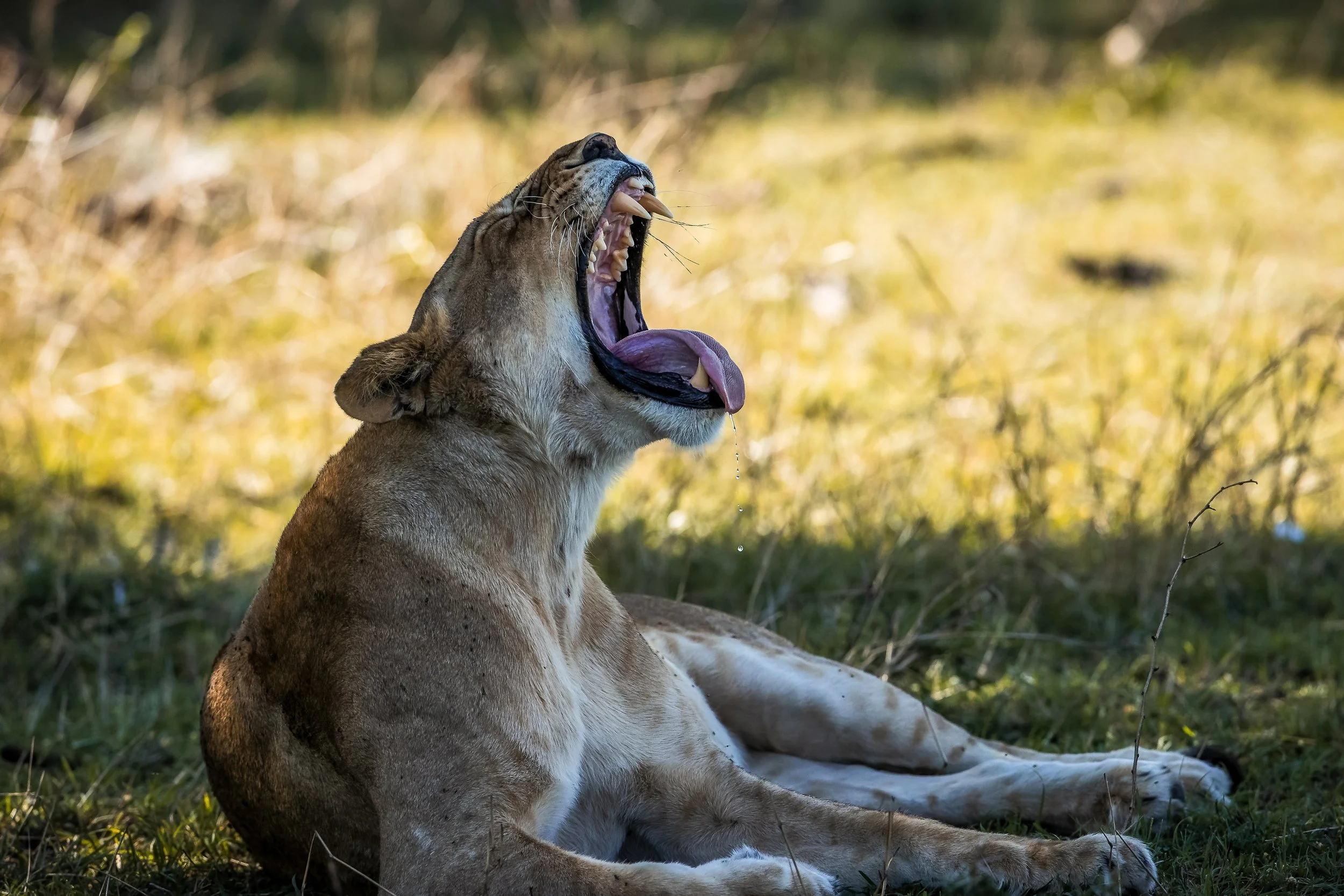
Tanganyika Wilderness Camp
Unfenced Safari Location
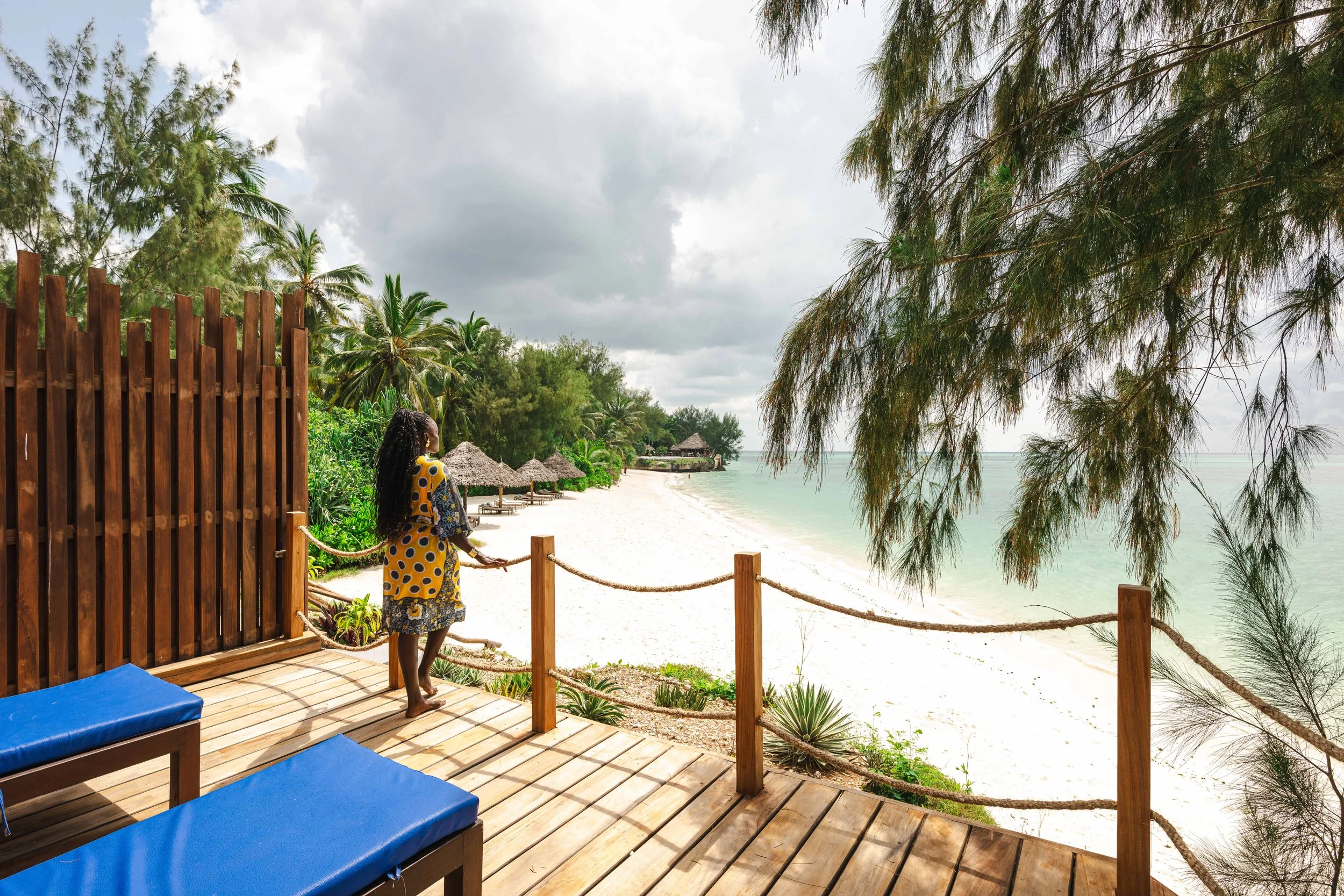
Perfectly positioned halfway up Zanzibar’s picturesque eastern coastline.
Premium experience in Central Serengeti
Premium experience in Central Serengeti

A spirited boutique resort inspired by the Spice Island’s storied past, set on the iconic beach of Zanzibar’s peaceful East coast

Tortilis Camp
For short stays in the city